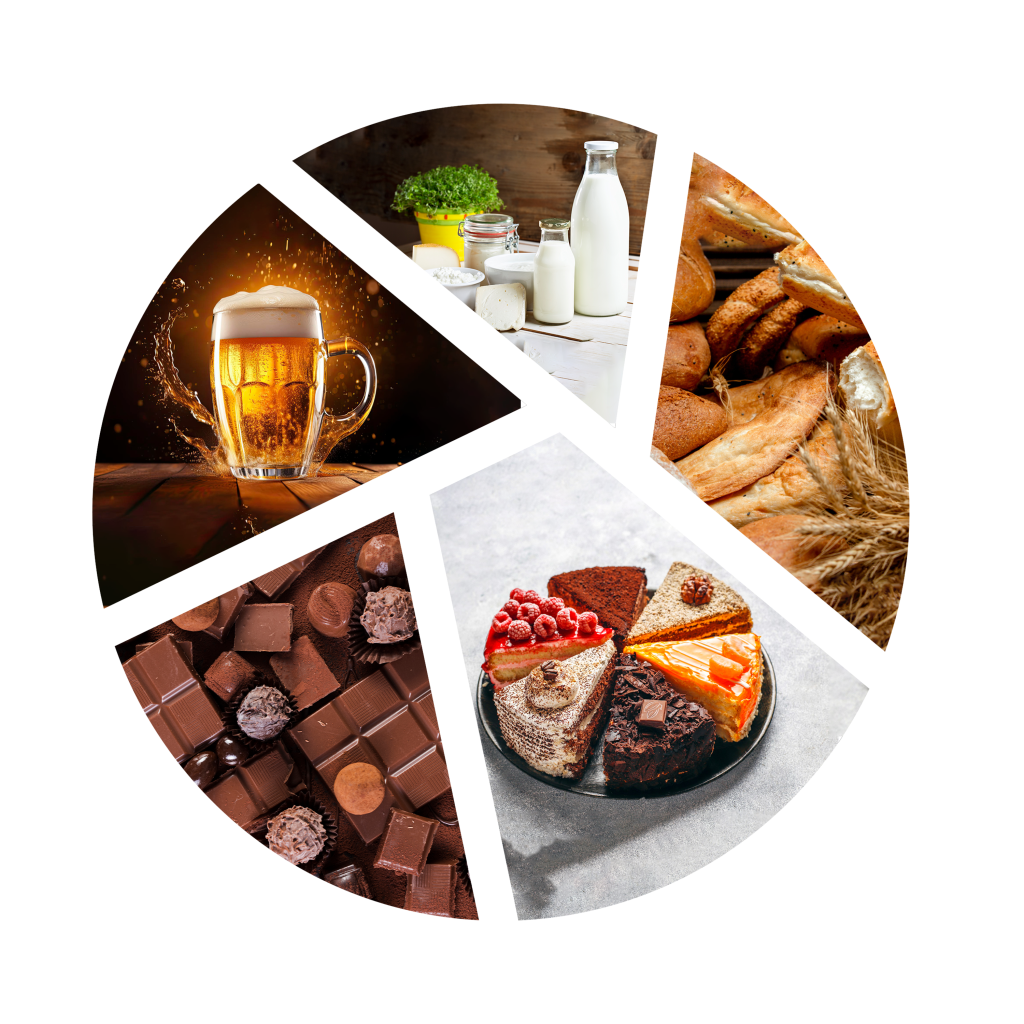
In today’s health-conscious world, the demand for innovative food solutions is higher than ever. Consumers are looking for products that are low in calories, high in fiber, and still appealing in terms of taste and texture. This is where Food Bulking Agents play a vital role. These substances are added to food products to increase volume and improve texture without significantly increasing calories or altering the nutritional balance.
Food bulking agents are commonly used in various sectors of the food industry, including bakery, confectionery, beverages, and dietary supplements. They provide benefits such as calorie control, portion enhancement, and satiety, making them a critical ingredient in modern food production.
What Are Food Bulking Agents?
Food bulking agents are food additives designed to increase the weight or volume of food without adding extra calories. They are typically composed of non-digestible substances like dietary fibers or low-calorie compounds. Bulking agents do not affect the overall flavor of the product but significantly improve its mouthfeel and structure.
Some popular examples include:
- Cellulose – A plant-based fiber used in baked goods.
- Polydextrose – A low-calorie carbohydrate ideal for sugar-free products.
- Inulin – A prebiotic fiber often found in health and wellness products.
- Psyllium Husk – Known for its ability to provide bulk and support digestive health.
Why Are Bulking Agents Important in Food Industry?
Modern food production faces the dual challenge of delivering healthier options while maintaining taste and appeal. Bulking agents offer a solution by addressing multiple needs:
- Calorie Reduction
Bulking agents replace calorie-dense ingredients, helping manufacturers create low-calorie products without compromising on size or texture. - Improved Satiety
Fiber-rich bulking agents slow digestion, helping consumers feel full for longer, which is beneficial for weight management. - Cost Efficiency
By increasing product volume without expensive raw materials, bulking agents help reduce production costs. - Versatility in Applications
From bakery and snacks to beverages and supplements, bulking agents can be used in various formulations.
Types of Food Bulking Agents
Food bulking agents can be classified into different types based on their composition and application:
- Dietary Fibers:
Include cellulose, psyllium, and inulin. These are widely used in health foods and supplements. - Polydextrose:
A synthetic polymer of glucose that acts as a sugar substitute and bulking agent in sugar-free products. - Starches:
Modified starches add volume and improve the consistency of sauces, soups, and desserts. - Protein-Based Bulking Agents:
Used in sports nutrition products to enhance protein content and structure.
Applications of Food Bulking Agents
1. Bakery Products
Bulking agents are used in breads, cakes, and pastries to maintain structure and softness while reducing calorie content.
2. Confectionery
In sugar-free candies and chocolates, bulking agents replace sugar while retaining sweetness and texture.
3. Beverages
Bulking agents like soluble fibers are added to health drinks and smoothies to enhance mouthfeel and nutritional value.
4. Dietary Supplements
Capsules and powders often use bulking agents to maintain consistency and accurate dosing.
Benefits for Manufacturers and Consumers
- For Manufacturers:
Bulking agents help in cost reduction, product diversification, and meeting regulatory standards for health claims. - For Consumers:
They support weight management, digestive health, and overall wellness by adding fiber and reducing calorie intake.
Trends Driving the Demand for Food Bulking Agents
The growing popularity of clean-label, sugar-free, and low-calorie foods has significantly boosted the demand for food bulking agents. Key trends include:
- Rise in Functional Foods: Products with added health benefits are gaining popularity, and bulking agents are integral in maintaining product appeal.
- Sugar-Free Alternatives: With increasing concerns about sugar consumption, bulking agents are widely used in sugar substitutes and low-calorie snacks.
- Plant-Based Products: Consumers prefer natural and plant-based bulking agents like inulin and cellulose for their health benefits.
Challenges and Considerations
While bulking agents offer multiple benefits, manufacturers must ensure compliance with global food safety standards. Overuse can lead to digestive discomfort, so careful formulation is essential. Additionally, selecting the right type of bulking agent for specific products is crucial for achieving the desired texture and taste.
How to Choose the Right Food Bulking Agent?
Manufacturers should consider the following factors when selecting a bulking agent:
- Compatibility with Other Ingredients
- Calorie Content and Nutritional Impact
- Regulatory Approvals and Safety Standards
- Consumer Preferences for Natural or Synthetic Options
Conclusion
Food bulking agents have become indispensable in the modern food industry, helping create products that are healthy, affordable, and enjoyable. Their ability to improve texture, increase volume, and reduce calorie content without sacrificing quality makes them essential for manufacturers and consumers alike. As the demand for healthier, functional foods continues to rise, bulking agents will play an even more significant role in shaping the future of food innovation.
From bakery and beverages to supplements and confectionery, bulking agents are redefining how we experience food—making every bite healthier, fuller, and more satisfying.
 Synergy Healthcare PTY LTD